
MOTION GRAPHICS & ANIMATION: 2026
This work has all been animated traditionally. That is, I set all the parameters, keyframes, and timing for each object in the scene to convey the business required. I work with a producer to conceptualize and compose a sequence, and then use the principles of animation to make the material come alive. Concepts such as motion in arcs, squash and stretch, anticipation, and staging are vital to the work I do.
There are now a whole new set of tools available to animators and motion designers. The new technology offered by Artificial Intelligince has been divisive in the animation community. Many call generative imagery “AI Slop”, and many times, I agree. We’re overwhelmed with deepfakes and images that lack soul in our media. Still, this is potent, powerful new technology whose capabilities are rapidly crossing new horizons. And it’s here to stay. I’ve been working to absorb the new production methods and pipelines it offers. My hope is to harness its power in ways that don’t reduce the human feel of the work. A small sample of its capabilities is shown below.
AI PIPELINE:
CLAUDE OPUS / SEEDANCE 2.5
CLAUDE OPUS / SEEDANCE 2.5
CLAUDE OPUS / BLENDER PREVISUALIZATION

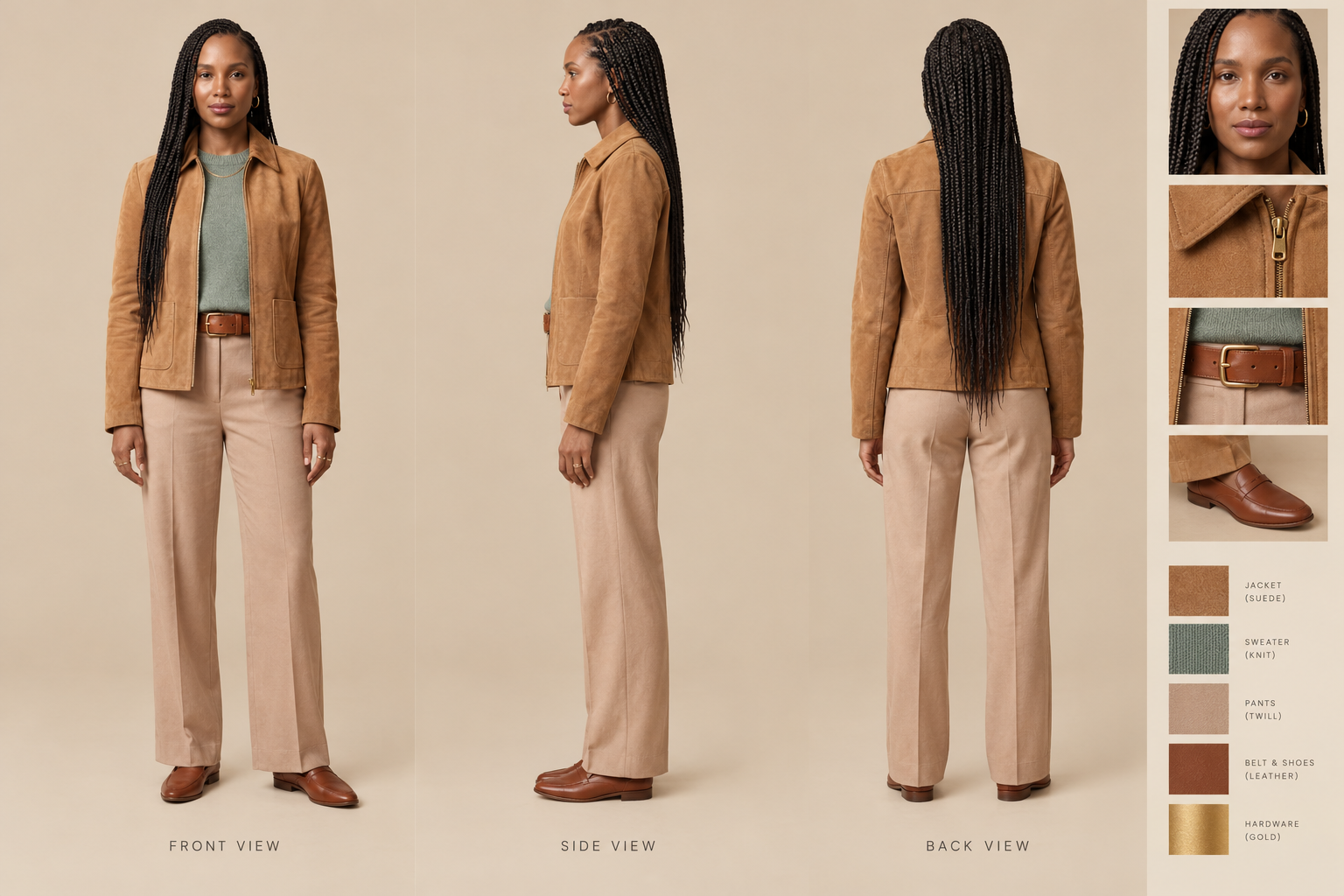
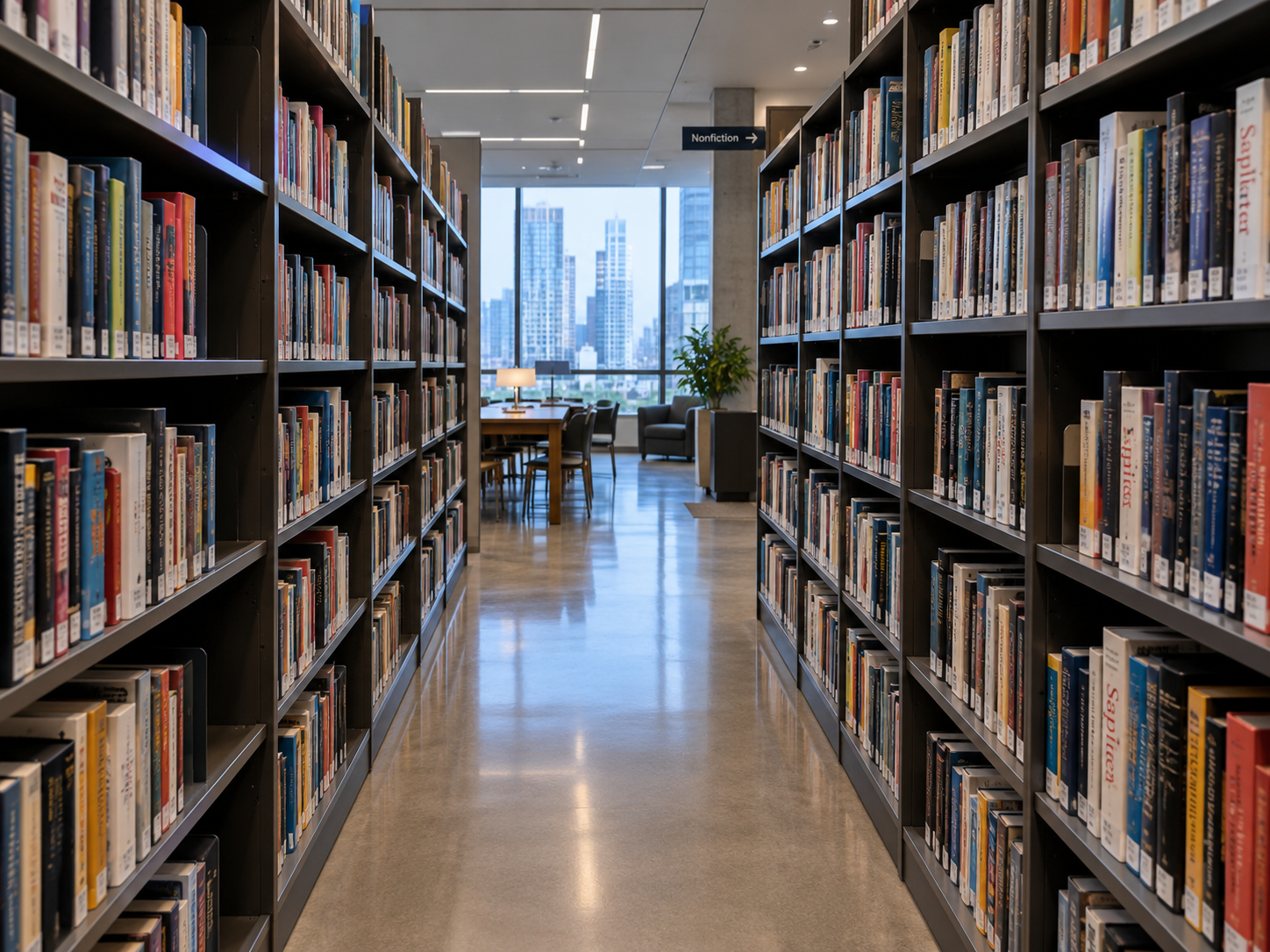
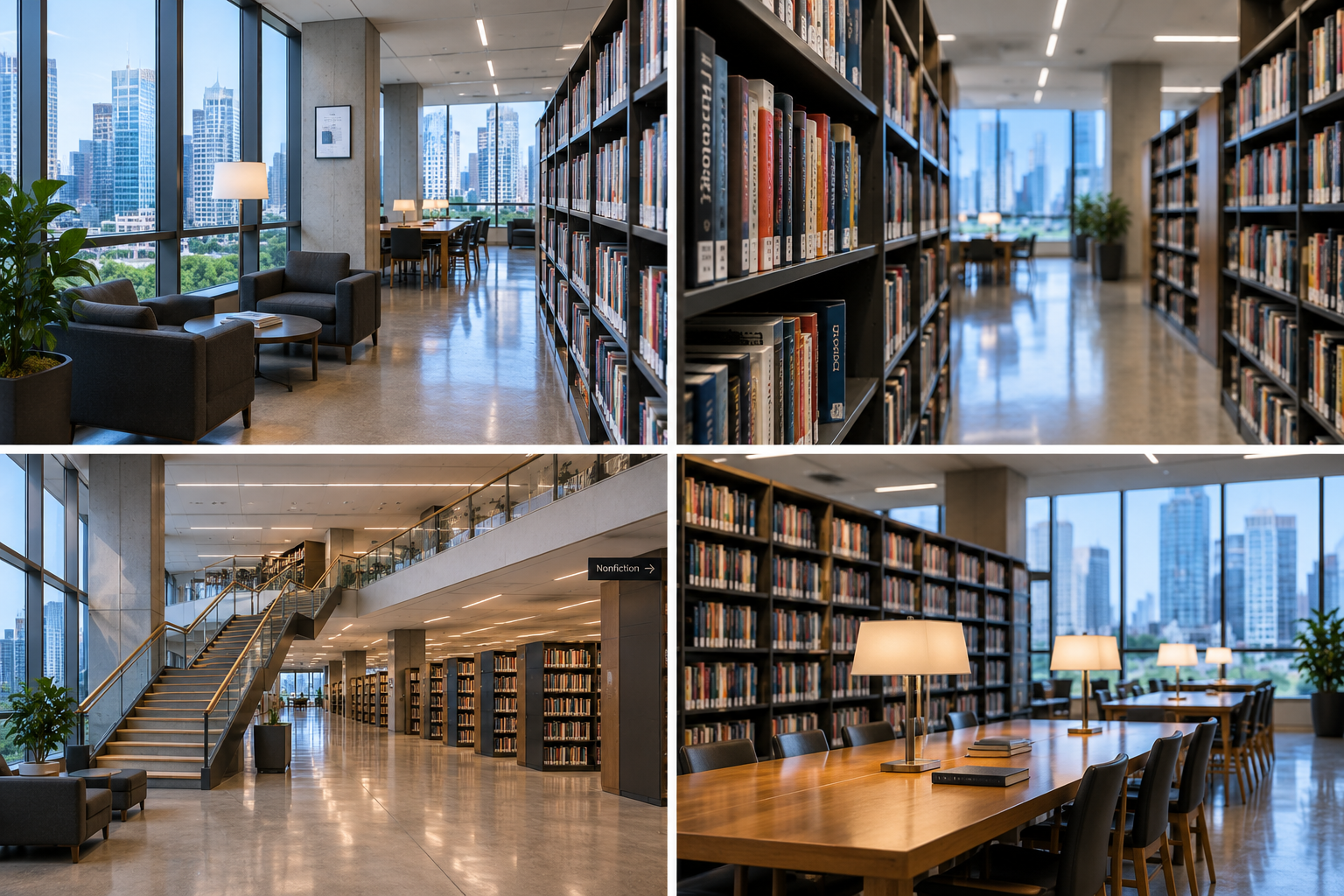
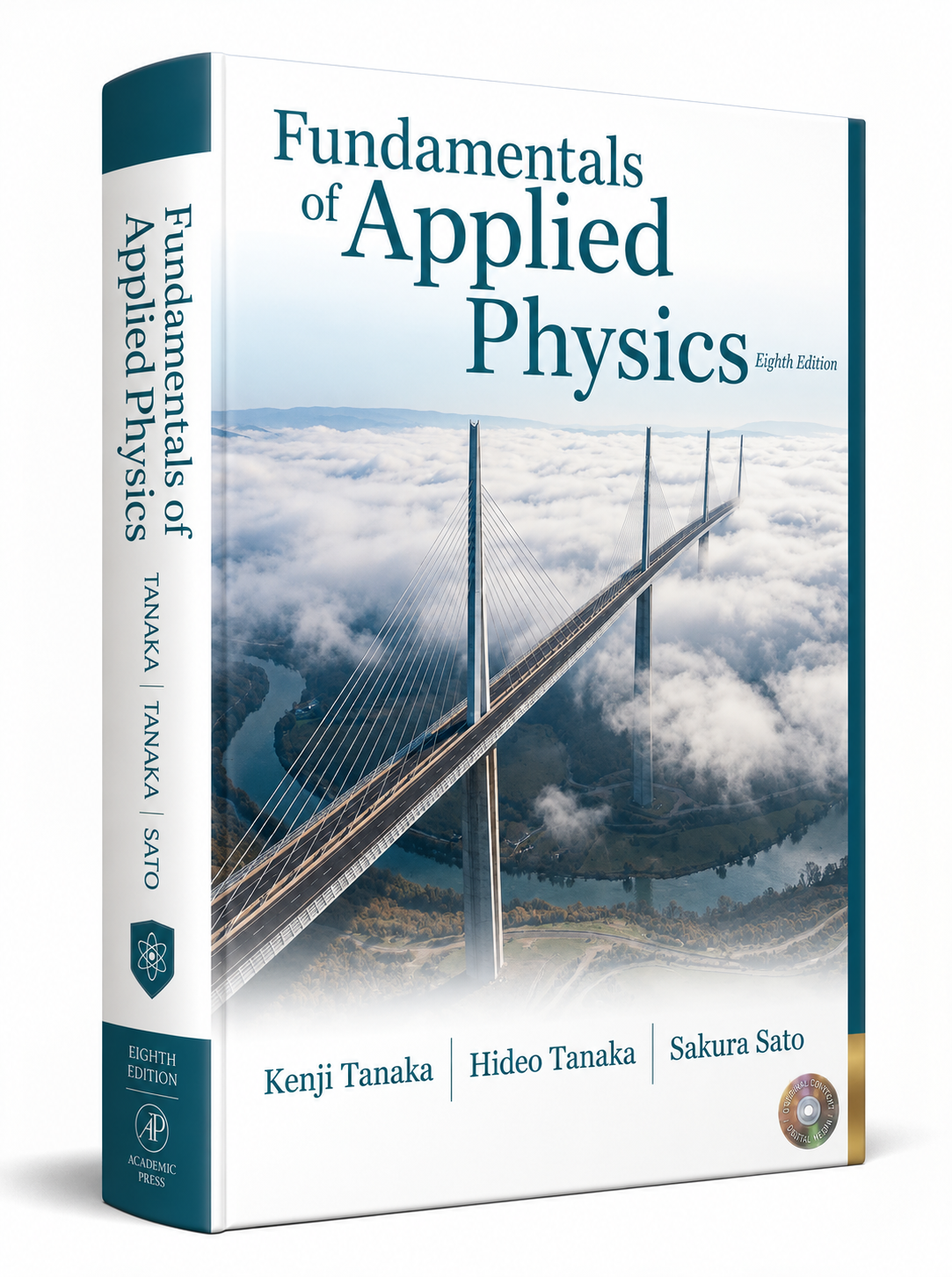

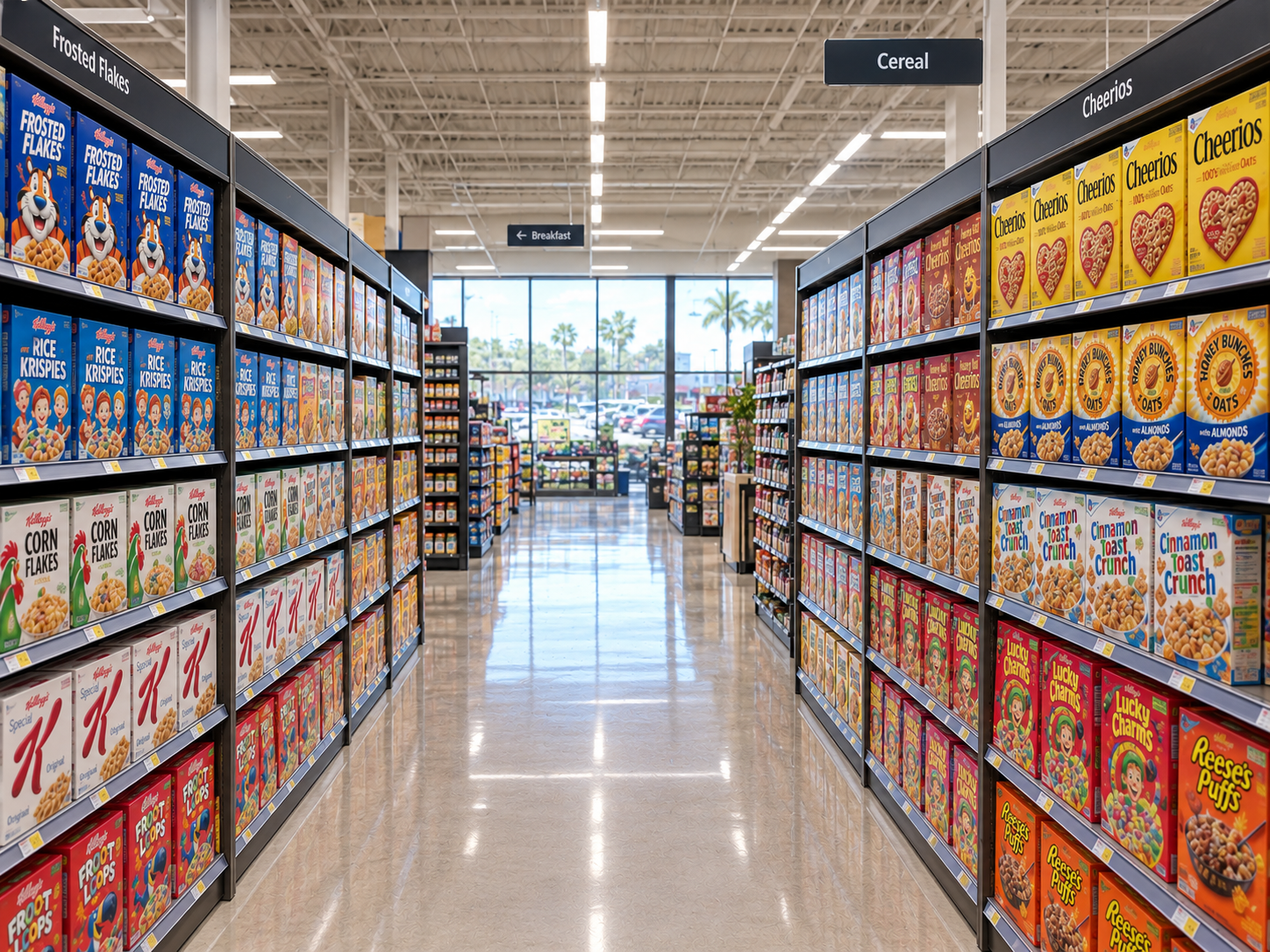
CHARACTER SHEETS, PROPS AND LOCATIONS
AI - INCREASING RESOLUTION:
Another capability of this new technology is in increasing resolution of existing footage. The work below can currently be seen at the California Science Center in Los Angeles, CA. I was the motion designer and editor on the piece. The shot represents a 45-foot wall at the museum, dedicated to the iconic 747 airplane model. The first shot shows a 747 covering the equivalent width of 28,000 pixels, end-to-end. The source material for this shot was only available at standard HD(1920×1080 pixels), and therefore had to be scaled by more than fourteen times its native width. The resulting lowered image resolution was unusable. The solution came via AI app Topaz, which enabled us to significantly increase the resolution of the approved shot. The first video below shows the whole wall, including the four horizontally spaced 4k monitors. The second video is a detail, showing what we see in the second monitor from the left.